
Glaucoma is a group of eye conditions that damage the optic nerve, which connects the eye to the brain. It often develops slowly without noticeable symptoms, so regular eye tests are the main way it is picked up early.
How glaucoma affects sight
The most common type progresses gradually and usually affects side vision first. Because the brain fills in gaps, many people do not notice changes until the condition is more advanced. Damage cannot be reversed, but treatment can help protect remaining sight.
Who may be at higher risk
- People over 40
- Those with a close family history of glaucoma
- People of African, Caribbean or Asian heritage
- People who are very short-sighted
- People with diabetes
How it is detected
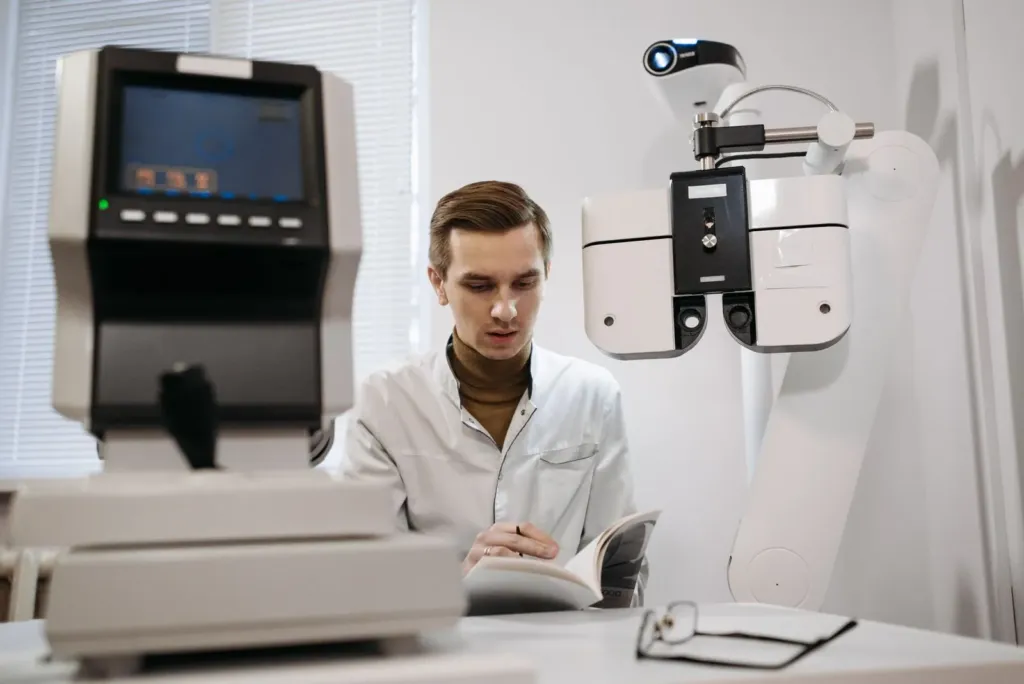
During an eye test, an optometrist may measure eye pressure, examine the optic nerve and test your field of vision. If anything looks unusual, you may be referred to an eye clinic for further checks.
Telling relatives if you are diagnosed can help them decide whether to have their own eyes checked. Treatment commonly involves daily eye drops, and sometimes laser treatment or surgery, to lower pressure inside the eye.
Seek urgent help if you develop sudden, severe eye pain, redness, blurred vision or haloes around lights, as these can signal a rarer, acute form of glaucoma.
Explore more articles like this on Mhealer.co.uk.