Spider veins are small, damaged blood vessels near the surface of the skin. They typically look red, blue, or purple and may form web-like or branching patterns. They show up frequently on the legs and face, though they may appear on other areas too. Here is more information about why you should get treatment for this vein condition:
Alleviated Itching and Aching
While spider veins are normally painless, some people feel discomfort around them. Symptoms build during the day, and they may ease when you rest or raise your legs. Typical complaints include the following signs:
- Itching or burning near the veins
- Throbbing or cramping in the legs
- Having a heavy, tired feeling after standing
- Swelling around the ankles
Treatment closes the affected veins, and blood shifts to healthier vessels nearby. Many people report less aching afterward. If symptoms continue after treatment, your provider may look for a deeper vein issue.
Improved Appearance
This condition typically poses little health risk for most people, but many find it distracting. When veins show through shorts or skirts, some people change their wardrobe to hide them. Treatment targets the visible vessels directly. Many people seek care for this reason alone.
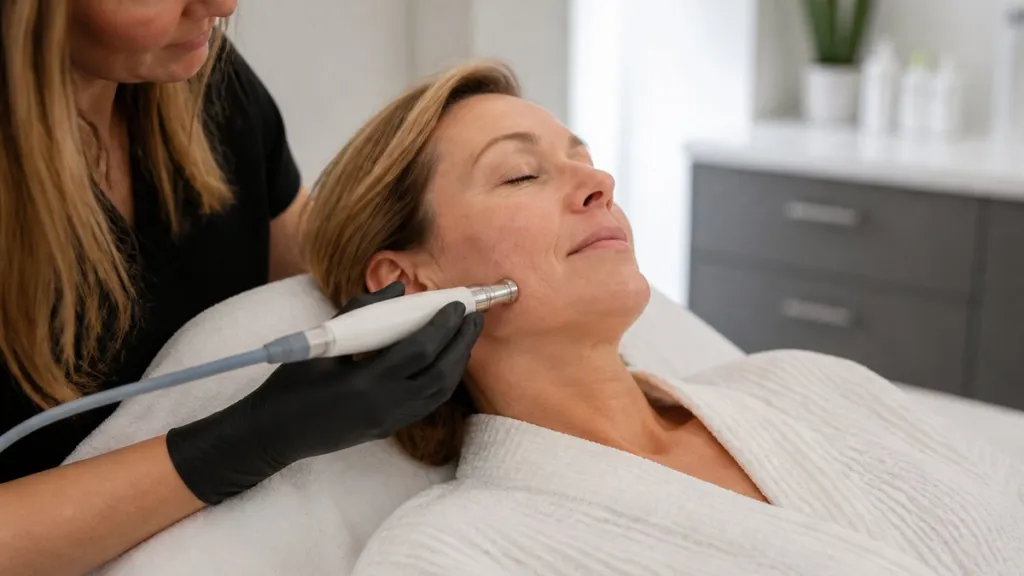
Sclerotherapy uses a small injection of a solution that irritates the vein lining. To clear this condition, the vein then collapses and fades over several weeks. Laser treatment uses focused light instead, and it suits smaller veins on the face.
Results vary from person to person. In many cases, people need several more sessions before they notice a clear change. Some veins fade fully, but others only lighten. New vein issues may also form over time.
Prevented Complications
Spider veins rarely lead to serious problems. Still, damaged veins sometimes bleed after a minor bump, and the bleeding may last longer than expected. Some clusters also grow larger or spread when people leave them alone for years.
Since this condition sometimes appears alongside varicose veins, a provider may check for both. Varicose veins carry more risk. They may cause skin changes or ulcers, and in rare cases they raise the risk of clots. Many people return to normal activities soon after treatment, though providers may choose to advise compression stockings briefly.
Detected Underlying Conditions
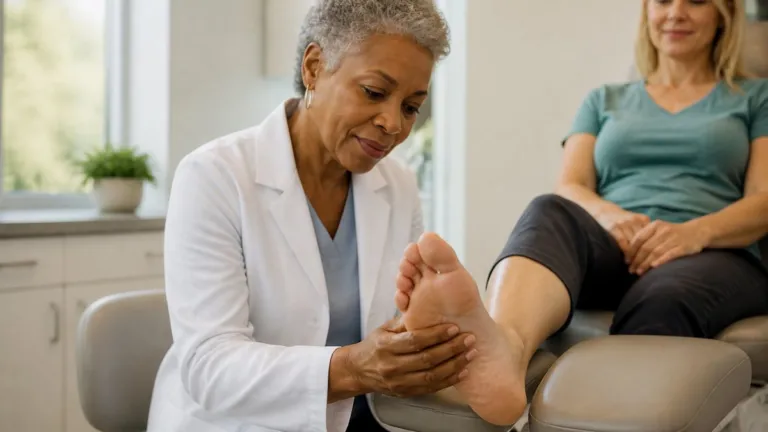
Spider veins sometimes signal a problem deeper in the leg. A vein specialist typically starts with an ultrasound, which shows how blood moves through your veins. This scan is painless, and it typically is a short visit. Surface treatment alone may not hold up, so finding the source matters. The exam may reveal cardiovascular issues such as:
- Venous insufficiency, or weak valves that let blood pool
- Varicose veins hidden below the skin
- Sudden reflux in larger veins that feed the spider veins
Get Treated for Spider Veins
If spider veins bother you, a consultation gives you clear information. A provider reviews your health history, and they examine the affected areas, allowing you to learn about suitable treatment options. Ask about the number of sessions, and ask about recovery time. Plan your schedule around any aftercare steps. Book a consultation to discuss your options.