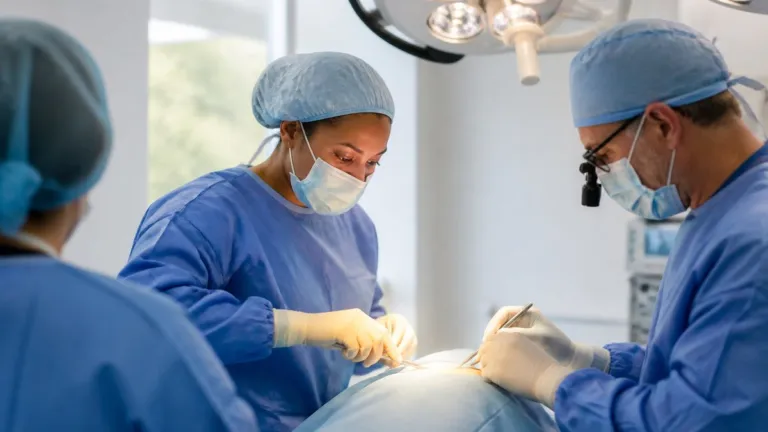

When a bone, joint, ligament, or tendon stops working properly, a surgeon may recommend orthopedic surgery. Procedures include joint replacements, fracture repairs, ACL reconstructions, and rotator cuff repairs. The operation itself may be relatively short, but recovery continues for several weeks or months. Here are some of the basic steps you will follow at home after you leave the hospital:
Using Assistive Devices
Your care team can choose a device for you, and a physical therapist will teach you to use it. The right device depends on where your orthopedic surgery took place. To avoid delayed healing, follow your surgeon’s weight-bearing limits exactly. Take these steps:
- Set crutch tops two finger-widths below your armpits.
- Step into the walker frame instead of pushing it far ahead.
- Remove loose rugs and cords from walkways.
- Wear your sling or brace as directed.
Practice on stairs with your therapist before going home. Lead with your stronger leg going up, and lead with the operated leg going down. If a device feels loose or uneven, contact your care team for an adjustment.
Managing Pain
Since procedures affect bone, muscle, and soft tissue, some pain is normal after orthopedic surgery. Your surgeon may prescribe opioids for the first few days, or they may suggest over-the-counter medicine alone. Many plans combine acetaminophen with an anti-inflammatory such as ibuprofen.
Take your medicine on a set schedule during the first few days. When you wait until pain peaks, it may become harder to control. Write down each dose and time, and bring this log to your follow-up visit.
Opioids may cause constipation and drowsiness, so drink plenty of water and avoid driving. Do not mix pain medicine with alcohol. Call your surgeon if your pain suddenly gets worse or stops responding to medicine.
Controlling Swelling
Swelling usually peaks a few days after surgery as fluid collects around the treated area. The RICE method provides a simple daily routine. Repeat each step several times a day, and watch for changes in the area. Chest pain or shortness of breath requires a 911 call. Use these methods:
- Rest: Limit activity and avoid sitting in one position for long periods.
- Ice: Apply a towel-wrapped cold pack for 15 to 20 minutes at a time.
- Compression: Wear compression stockings or wraps as directed.
- Elevation: Raise the limb above heart level with pillows.
Taking Injections
Many surgeons prescribe blood thinner injections after hip and knee surgery. These shots lower your risk of blood clots while you move less than usual. A nurse will show you how to give the injection, and you will practice before discharge.
Rotate injection sites around your belly, and place used needles in a sharps container. Report unusual bruising, bleeding gums, or blood in your urine to your care team. Some patients later receive a corticosteroid injection if joint inflammation slows their progress.
Schedule Orthopedic Surgery Follow-ups
Your first follow-up visit typically happens a few weeks after you leave the hospital. At this visit, your surgeon checks your incision and may remove stitches or staples. Bring a list of questions, medicines, and symptoms to each appointment. If you have a fever, drainage, or new numbness, contact your surgeon before your next visit.