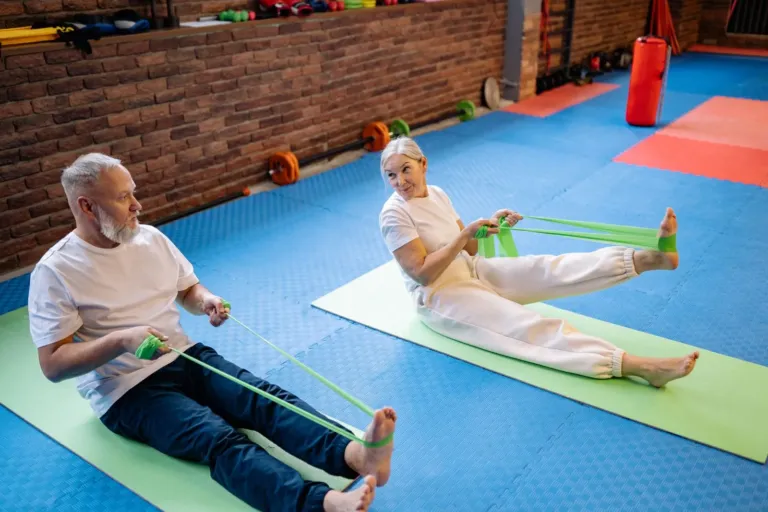
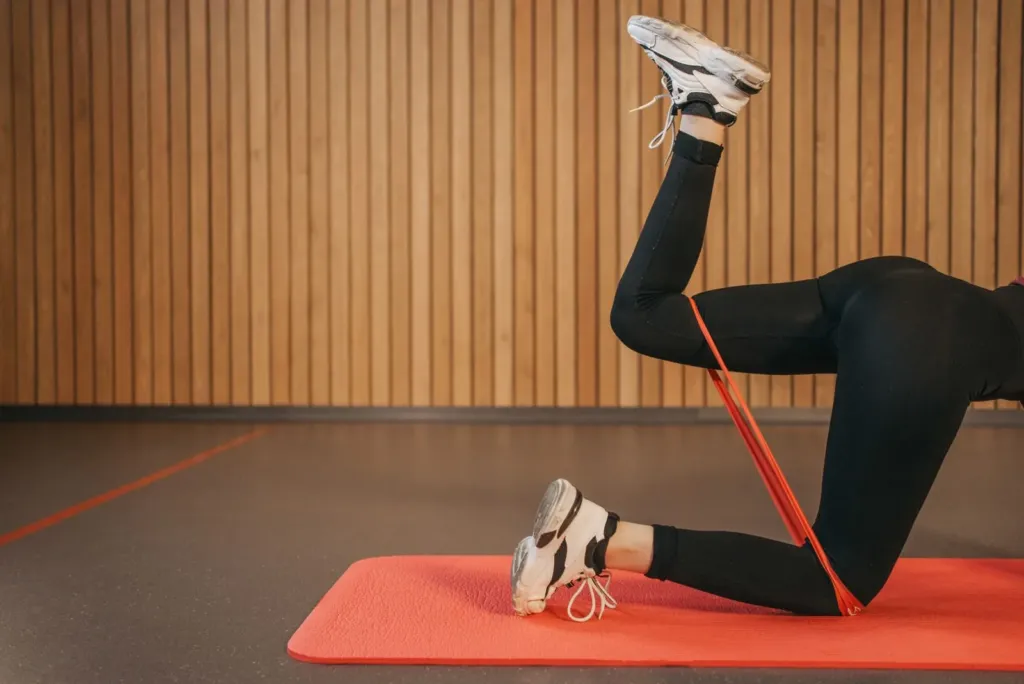
Home exercises prescribed by a physiotherapist are most effective when you do them regularly. Linking them to daily habits and keeping sessions short makes it far easier to stay consistent.
Make exercise part of your day
Many people stop their exercises once the initial pain improves, but strength and control take longer to rebuild. Treat your routine like brushing your teeth, a short task that simply happens at the same time each day.
- Pair exercises with an existing habit, such as after your morning tea
- Keep your mat and bands somewhere visible
- Split a longer routine into two short sessions
- Tick off each session on a calendar or app
Doing the exercises well
Quality matters more than quantity. Move slowly, keep good posture and focus on the muscle you are working. If you are unsure about technique, film yourself on your phone and compare it with the instructions you were given.
Knowing when to progress
When an exercise starts to feel easy, your physiotherapist may suggest adding repetitions, holding positions for longer or using a stronger band. Progress gradually rather than making several changes at once.
Some muscle soreness the next day is normal, but increasing joint pain or swelling is a sign to ease back.
If your symptoms change or you are not improving, contact your physiotherapist or GP for a review.
Discover more everyday guides at Mhealer.co.uk.