BrassSmile: Complete Guide to Dental Care and Smile Improvement
BrassSmile is a dental-focused platform centered on dental education, modern oral care, and smile improvement. It can help readers learn about common dental concerns, understand different treatment options, and prepare useful questions before visiting a dentist.
People often search online before choosing dental care. They may want to learn about teeth whitening, oral hygiene, cosmetic dentistry, restorative treatments, or ways to maintain a healthy smile. BrassSmile can provide a starting point for this research by making dental topics easier to understand.
However, online dental information should be viewed as general education, not a personal diagnosis or treatment plan. Every person’s dental needs are different, so important decisions should be discussed with a qualified dental professional.
This guide explains what BrassSmile is, the dental topics it may cover, how readers can use dental information responsibly, and what to consider when researching smile improvement and modern dental care.
What Is BrassSmile?
BrassSmile is a dental-focused platform centered on dental education, modern oral care, and smile improvement. It can help readers understand common dental concerns, learn about possible treatment options, and prepare useful questions before speaking with a dental professional.
For people researching dental care online, BrassSmile can serve as an educational starting point. Topics related to oral hygiene, cosmetic dentistry, preventive care, tooth appearance, and treatment choices can help readers better understand their options.
Online dental information should be used for general education rather than personal diagnosis. A dentist can evaluate a person’s teeth, gums, medical history, and specific needs before recommending treatment.
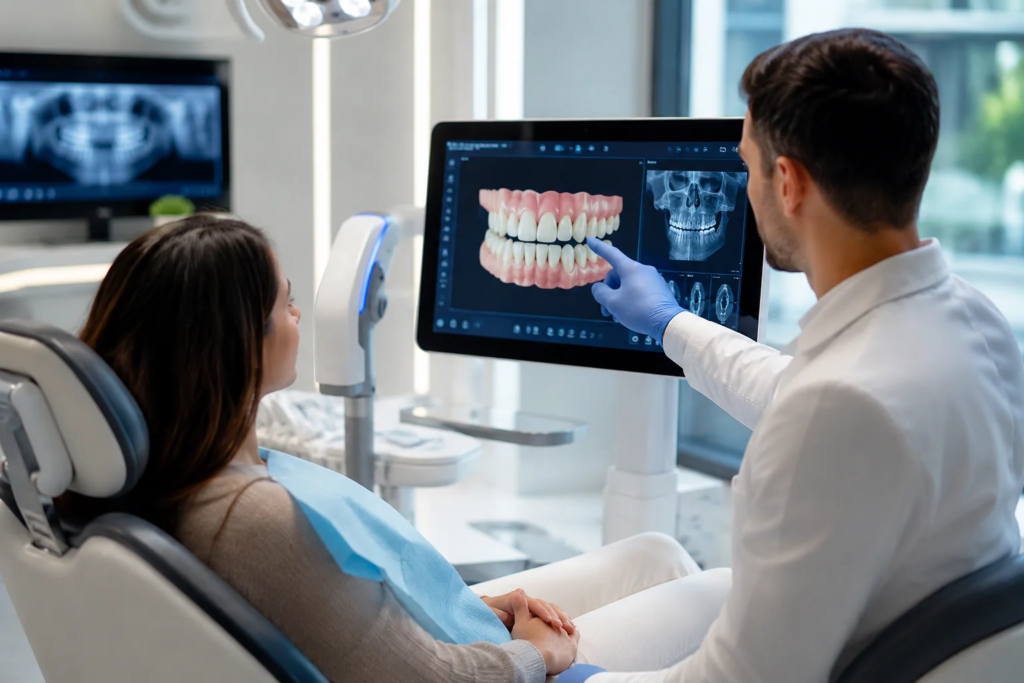
How Does BrassSmile Help With Dental Education?
Dental terms can sometimes be difficult for people without a healthcare background. BrassSmile can make these subjects easier to understand by presenting information about common dental concerns and modern care.
Educational dental content can help readers learn the basic purpose of treatments such as fillings, crowns, dental bonding, veneers, implants, braces, and teeth whitening.
It can also help people understand why prevention matters. Regular brushing, cleaning between teeth, fluoride use, professional dental visits, and healthy daily habits are important parts of maintaining oral health.
The main value of dental education is preparation. When patients understand basic terminology, they can have more useful conversations with their dentists.
What Dental Topics Can You Explore on BrassSmile?
A dental-focused platform can cover many topics connected with oral health and smile improvement.
Common areas include:
- Preventive dental care
- Oral hygiene
- Tooth discoloration
- Teeth whitening
- Cavities and tooth decay
- Gum health
- Dental fillings
- Dental crowns
- Dental implants
- Dental bonding
- Veneers
- Braces and aligners
- Cosmetic dentistry
- Restorative dentistry
- Dental treatment planning
These topics can help readers understand the difference between treatments and why one procedure may be appropriate for one person but unsuitable for another.
BrassSmile and Preventive Dental Care
Preventive dental care is an important part of maintaining a healthy smile.
Also Read:Dorothée Lepère: Biography, Family, Career, and Life Story
Daily oral hygiene helps control plaque and supports healthy teeth and gums. Brushing with fluoride toothpaste, cleaning between teeth, limiting frequent sugary foods and drinks, and following professional dental advice can all contribute to better oral health.
Regular dental visits are also important because some dental problems may not cause obvious symptoms in their early stages.
BrassSmile can help readers understand why preventive care matters, but educational information does not replace professional examinations.
Can BrassSmile Help You Understand Teeth Whitening?
Teeth whitening is a popular area of cosmetic dentistry. People often research whitening when they notice yellowing or staining and want a brighter smile.
Tooth color can change because of aging, food and drinks, tobacco exposure, certain medications, enamel characteristics, or other factors.
Whitening products may include toothpaste, strips, trays, or professional treatments. Results can vary depending on the cause of discoloration.
Some people may experience temporary sensitivity or gum irritation. A dentist can determine whether whitening is suitable and whether an underlying dental problem should be treated first.
BrassSmile and Cosmetic Dentistry
Cosmetic dentistry focuses mainly on improving the appearance of the smile. Some cosmetic procedures can also provide functional benefits.
Common cosmetic treatments include:
- Teeth whitening
- Dental bonding
- Veneers
- Certain crowns
- Orthodontic treatment
- Smile restoration procedures
Cosmetic treatment should begin with a realistic understanding of what a procedure can and cannot accomplish.
A photograph or advertisement may show an attractive result, but it does not explain the patient’s starting condition, treatment process, maintenance needs, or long-term outcome.
What Is the Difference Between Cosmetic and Restorative Dentistry?
Cosmetic dentistry generally focuses on appearance, while restorative dentistry focuses on repairing or replacing damaged or missing tooth structure.
The two areas can overlap.
For example, a crown can restore a weakened tooth while also improving its appearance. Bonding may repair a minor defect while changing the shape of a tooth.
Understanding this difference helps readers choose treatments based on their actual dental needs rather than appearance alone.
A dentist can explain whether a treatment is primarily cosmetic, restorative, preventive, or a combination of these purposes.
What Common Dental Treatments Should You Know About?
Understanding common treatments can make dental appointments easier to follow.
Dental fillings are commonly used to restore teeth affected by cavities.
Crowns cover and protect teeth that have been significantly damaged or weakened.
Bridges can replace missing teeth by using supporting teeth or other structures.
Dental implants can replace missing teeth with an implant-supported restoration and usually involve multiple stages.
Bonding uses tooth-colored material to repair certain minor defects or improve tooth appearance.
Veneers are thin coverings placed over the visible surfaces of selected teeth and are often associated with cosmetic treatment.
Braces and clear aligners can gradually move teeth into improved positions.
The appropriate treatment depends on an individual’s dental condition.
How Can BrassSmile Help You Prepare for a Dental Appointment?
Online research can be especially useful before a dental appointment.
Before visiting a dentist, write down the main concern you have noticed. Include information about pain, sensitivity, discoloration, swelling, or other changes.
You can also prepare questions about:
- Treatment options
- Treatment length
- Expected results
- Possible risks
- Recovery
- Maintenance
- Cost
- Insurance coverage
- Alternative treatments
Also Read:BackToFrontShow Pricing: Plans, Costs, Features, Billing, and Value Guide
You do not need to become a dental expert before your appointment. The goal is to understand enough to communicate clearly with your dentist.
What Should You Check Before Choosing a Dental Procedure?
Patients should look beyond appearance and price when considering dental treatment.
Ask what problem the treatment is designed to solve and whether there are alternatives.
It is also useful to ask how long the treatment may last, what maintenance will be required, what risks are involved, and what the estimated total cost will be.
For expensive treatment, patients may want a written treatment plan and information about insurance coverage or payment options.
A treatment that looks attractive online may not necessarily be the best choice for every person.
How Reliable Is Online Dental Information From BrassSmile?
Online dental information can be useful, but readers should evaluate it carefully.
Look for clear authorship, professional credentials, updated information, credible references, and transparent information about the website’s purpose.
Clinical claims should be approached carefully, especially when a website makes promises about guaranteed results.
Readers should also compare important health information with reputable dental organizations and advice from licensed professionals.
A website can provide general education, but it cannot examine a patient’s teeth or gums through an article.
Is BrassSmile a Dental Clinic or an Information Platform?
The distinction between an information website and a dental clinic is important.
Based on the information provided for this topic, BrassSmile is positioned around dental education, modern care, and smile improvement.
Readers should verify the exact website and determine whether it provides educational content, connects users with dental services, or operates as a dental practice.
The BrassSmile name may also appear in different online contexts, so users should check the exact domain before sharing information or assuming that two websites are connected.
BrassSmile and Online Dental Privacy
Dental research can involve sensitive personal information.
Before submitting information to any dental website, readers should review its privacy policy and understand what information may be collected.
Be careful when sharing:
- Full names
- Phone numbers
- Email addresses
- Medical information
- Dental records
- Dental photographs
- Insurance information
- Payment details
An HTTPS connection can protect information while it travels between a browser and website, but it does not by itself prove that a website is medically authoritative.
Privacy awareness is an important part of responsible digital health research.
How Can You Avoid Dental Misinformation Online?
Dental misinformation can be especially convincing because cosmetic dentistry often uses before-and-after photographs and strong marketing language.
Do not assume that a dramatic result is typical.
Check who created the information and whether the claims are supported by reliable sources. Look for discussion of risks, limitations, costs, and maintenance instead of only positive outcomes.
Avoid websites that promise that one product or treatment will work for everyone.
When a dental concern involves pain, swelling, bleeding, trauma, or a major change in the mouth, professional dental evaluation is more appropriate than relying only on online information.
How to Research BrassSmile Safely and Effectively
U.S. readers should consider several factors when researching dental information or choosing dental care.
Dental prices can vary significantly by location, provider, treatment type, and individual circumstances.
Insurance coverage also varies. Preventive services may receive different coverage from cosmetic procedures.
Before beginning major treatment, patients can ask for:
Also Read:Territory Sales Officer: Role, Responsibilities, Skills & Career Guide
- A written treatment plan
- A cost estimate
- Insurance information
- Payment options
- Alternative treatments
- Follow-up requirements
- Maintenance expectations
Patients can also check whether a dentist is properly licensed through the relevant state dental board.
BrassSmile and Better Smile Maintenance
Improving a smile is only one part of oral health. Maintaining the result requires ongoing care.
Regular brushing and interdental cleaning remain important after cosmetic or restorative procedures.
Patients should also follow the specific instructions provided by their dental professional.
Good long-term habits may include limiting frequent sugary foods and drinks, avoiding tobacco, protecting teeth during certain sports, attending recommended dental appointments, and addressing dental symptoms early.
A smile improvement plan should therefore focus on both appearance and long-term oral health.
Frequently Asked Questions About BrassSmile
Is BrassSmile useful for learning about dental care?
Yes. BrassSmile can be used as an educational starting point for learning about dental concerns, modern care, smile improvement, and common treatment options. Personal treatment decisions should still be discussed with a licensed dentist.
Can BrassSmile diagnose a dental problem?
No. Online information cannot replace an in-person dental examination. A dentist needs to evaluate the patient’s teeth, gums, history, and symptoms to provide an appropriate diagnosis.
Is BrassSmile only about cosmetic dentistry?
No. The topic can include both cosmetic and general dental education. Smile improvement may involve appearance, but preventive care, oral hygiene, restorative treatment, and general dental health are also important.
Should I trust every dental claim I find online?
No. Dental information should be evaluated based on authorship, professional credentials, evidence, transparency, and how current the information is. Important health claims should be checked against reputable sources and professional dental advice.
Can online dental information replace a dentist?
No. Online resources such as BrassSmile can help readers understand dental topics and prepare questions, but they cannot examine the mouth or create a personalized treatment plan. Professional dental care remains important for diagnosis and treatment.
Conclusion
BrassSmile provides a useful topic for readers interested in dental education, modern oral care, and smile improvement. It can help people understand common dental treatments, preventive habits, cosmetic options, and questions to consider before making a dental decision.
The most responsible way to use BrassSmile is as an educational resource rather than a replacement for professional dental care. Readers should verify important information, protect their personal data, compare reliable sources, and speak with a licensed dentist about individual concerns.
Checking dental credentials, treatment costs, insurance coverage, privacy practices, and professional recommendations can make online dental research more useful and safer.